ABB Completes Acquisition of Power Electronics Business of Gamesa Electric
December 8, 2025
- Acquisition strengthens ABB’s position in renewable power conversion
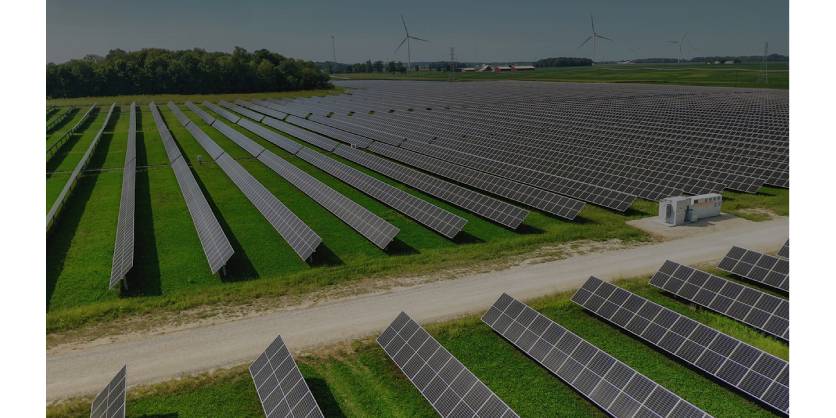
- By 2030, renewable energy is expected to supply 43%1 of global electricity, driven by strong growth in solar and wind
- Positions ABB to capitalize on International Energy Agency’s predicted market growth with modernization and service opportunities in the renewable sector
ABB has announced the completion of its acquisition of Gamesa Electric’s power electronics business in Spain from Siemens Gamesa, originally announced on December 18, 2024. Financial terms were not disclosed. The business reported annual revenues of approximately €145 million for the fiscal year ended September 30, 2025.
The acquired portfolio includes power conversion products such as wind converters for doubly-fed induction generator (DFIG), industrial battery energy storage systems (BESS), and utility-scale solar inverters. The transaction brings in around 400 employees, including key resources in India, China, United States, and Australia, and two converter factories in Madrid and Valencia. ABB has also entered into a supply and services agreement with Siemens Gamesa. The acquisition increases the total capacity of ABB’s serviceable installed base of wind converters by approximately 46 gigawatts and supports the profitable growth strategy of the Motion business area. With over 45 years of experience in power electronics, Gamesa Electric brings deep technical expertise in solar and renewable applications and strong customer relationships.
“By combining ABB’s global reach and Gamesa Electric’s portfolio and expertise, the company is well positioned to capture growing demand and accelerate renewable energy adoption worldwide,” said Daniel Gerber, Business Line Manager, Renewable Power of ABB’s Motion High Power division.
According to the International Energy Agency2, electricity generation from renewables is expected to increase 60% from 9,900 TWh in 2024 to 16,200 TWh in 2030. In fact, renewables are expected to surpass coal at the end of 2025 (or by mid-2026 at the latest, depending on hydropower availability) to become the largest source of electricity generation globally. Solar PV alone accounts for over half of this increase, followed by wind at roughly 30 percent.
Endnotes
- IEA (2025), Renewables 2025, IEA, Paris https://www.iea.org/reports/renewables-2025, Licence: CC BY 4.0
- IEA (2025), Renewables 2025, IEA, Paris https://www.iea.org/reports/renewables-2025, Licence: CC BY 4.0
More Information
Related Story
ABB Awarded Platinum Medal by EcoVadis for Outstanding Sustainability Performance
ABB has been awarded the Platinum medal from EcoVadis with a score of 84 out of a possible 100 points, placing the company among the top one percent of 130,000 companies assessed worldwide. EcoVadis is a trusted provider of business sustainability ratings offering a standardized, data-driven framework that allows companies to compare supplier performance. The company improved its score by nine points since last year.